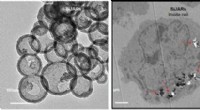
* The cell membrane: This acts as a barrier, selectively allowing some molecules to pass through while blocking others. This selectivity is crucial for maintaining the internal environment of the cell.
* Passive transport: This refers to the movement of molecules across the cell membrane without requiring energy. This includes:
* Diffusion: The movement of molecules from an area of high concentration to an area of low concentration.
* Osmosis: The movement of water across a semipermeable membrane from an area of high water concentration to an area of low water concentration.
* Active transport: This refers to the movement of molecules across the cell membrane against their concentration gradient (from low to high), which requires energy. This process is essential for maintaining the correct concentrations of essential molecules inside the cell, even if they are present in lower concentrations outside.
* Other mechanisms: The cell also employs other mechanisms to maintain homeostasis, such as:
* Endocytosis: The process of taking in molecules from the outside by engulfing them in a membrane vesicle.
* Exocytosis: The process of releasing molecules from the cell by fusing a membrane vesicle with the cell membrane.
By employing these mechanisms, cells can maintain a relatively stable internal environment, even when the external environment is changing. This is essential for the proper functioning of the cell and the organism as a whole.
In summary, homeostasis is the dynamic process that ensures the balance of molecules inside and outside a cell. This balance is maintained through selective permeability of the cell membrane, passive and active transport mechanisms, and other mechanisms like endocytosis and exocytosis.