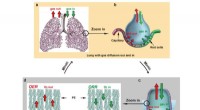
Chemical Senses:
* Stimulus: Chemical substances dissolved in fluids (saliva for taste, mucus for smell).
* Receptors: Specialized receptor cells that bind to specific molecules, triggering a signal cascade.
* Information: Primarily about the chemical composition of the environment:
* Taste: Sweet, sour, salty, bitter, umami (savory), and possibly fat.
* Smell: A vast range of volatile compounds, providing information about food, danger, and social cues.
* Processing: Signals are relayed through specialized nerves to the brain, where they are interpreted.
* Subjective Experience: We experience these senses as flavors and odors, which are highly subjective and influenced by personal experience and cultural factors.
Non-Chemical Senses:
* Stimulus: Physical energy, such as light, sound waves, and pressure.
* Receptors: Specialized cells that convert physical energy into electrical signals.
* Information: Primarily about the physical properties of the environment:
* Sight: Light patterns, colors, shapes, and movements.
* Hearing: Sound waves, their frequency, amplitude, and location.
* Touch: Pressure, temperature, pain, and texture.
* Processing: Signals are relayed through specialized nerves to the brain, where they are interpreted.
* Subjective Experience: We experience these senses as visual images, sounds, and tactile sensations, which are more objective than chemical senses.
Key Differences:
* Stimulus Type: Chemical senses respond to chemical substances, while non-chemical senses respond to physical energy.
* Receptor Function: Chemical senses use receptors that bind to specific molecules, while non-chemical senses use receptors that convert physical energy into signals.
* Information Content: Chemical senses primarily provide information about chemical composition, while non-chemical senses provide information about physical properties.
* Subjectivity: Chemical senses are more subjective, influenced by personal experience and cultural factors, while non-chemical senses are generally more objective.
Interdependence:
Despite their differences, the senses are interconnected and influence each other. For example, the taste of food is influenced by its smell, and the sight of a tasty dish can trigger salivation and increase appetite.
In summary, chemical senses and non-chemical senses provide distinct but complementary information about our environment. They are both essential for our survival and allow us to interact with the world in a rich and nuanced way.