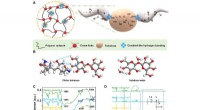
1. Adenine: A nitrogenous base that provides the molecule with its name (adenine triphosphate).
2. Ribose: A five-carbon sugar that acts as the backbone of the molecule.
3. Triphosphate group: This is the key part of ATP. It consists of three phosphate groups (PO4) linked together in a chain. These phosphate groups are negatively charged, creating a lot of potential energy due to the repulsion between them.
It's the breaking of the bonds between these phosphate groups that releases energy and is used to power cellular processes.