1. Substrate Binding:
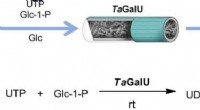
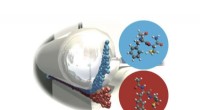
* Enzymes have a specific three-dimensional shape called the active site. This site is complementary to the shape of the molecule they act upon, called the substrate.
* The enzyme binds to the substrate through weak interactions (hydrogen bonds, electrostatic interactions, van der Waals forces) forming an enzyme-substrate complex. This binding brings the substrate molecules into the correct orientation for the reaction to occur.
2. Lowering Activation Energy:
* The enzyme active site creates a microenvironment that is favorable for the reaction to proceed. It can do this in several ways:
* Stabilizing the transition state: The enzyme interacts with the substrate in a way that facilitates the formation of the transition state, a high-energy, unstable intermediate that must be formed for the reaction to proceed.
* Providing alternative reaction pathways: Enzymes can sometimes provide alternative reaction pathways that require less energy to reach the transition state.
* Proximity and orientation: By binding the substrates, the enzyme brings them together in the correct orientation for the reaction to take place. This increases the probability of successful collisions between the molecules.
3. Product Formation and Release:
* Once the reaction is complete, the enzyme releases the product(s) and returns to its original state, ready to bind to another substrate molecule.
Key factors influencing enzyme catalysis:
* Specificity: Each enzyme typically catalyzes only one or a few reactions, due to the specific shape of its active site.
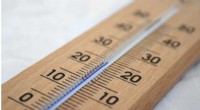
* Temperature and pH: Enzymes have optimal temperature and pH ranges at which they function most efficiently. Outside of these ranges, their activity decreases.
* Cofactors and Coenzymes: Some enzymes require non-protein molecules called cofactors or coenzymes to function. These molecules can help with binding substrates, facilitating the reaction, or carrying electrons.
Examples of Enzyme Catalysis:
* Lactase: Breaks down lactose (milk sugar) into glucose and galactose.
* DNA polymerase: Replicates DNA, copying the genetic code.
* Pepsin: Breaks down proteins in the stomach.
In conclusion, enzymes are highly efficient catalysts that accelerate biochemical reactions by providing a lower energy pathway for the reaction to proceed. This is achieved through specific substrate binding, stabilization of the transition state, and optimization of reaction conditions within the active site.