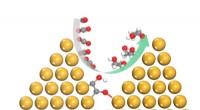
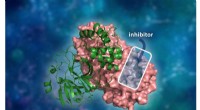
* Enzymes are highly specific: Enzymes have a very precise three-dimensional shape (conformation) that is crucial for their function. This shape allows them to bind to specific molecules called substrates, forming an enzyme-substrate complex. This complex facilitates the chemical reaction that the enzyme catalyzes.
* Shape changes disrupt function:
* Heavy metals: Heavy metals can bind to the enzyme's active site (where the substrate binds) or other critical regions, altering the enzyme's shape. This can prevent the substrate from binding correctly, or even block the catalytic activity altogether.
* pH changes: Enzymes have an optimal pH range at which they function best. Changes in pH can disrupt the hydrogen bonding and electrostatic interactions that maintain the enzyme's structure, causing it to denature (unfold). Denatured enzymes lose their specific shape and therefore their catalytic activity.
In summary: While some enzymes might tolerate minor shape changes, significant alterations caused by heavy metals or extreme pH will generally disrupt the enzyme's function, slowing down or completely stopping the reaction.