Here's how water molecules move in a hypotonic solution:
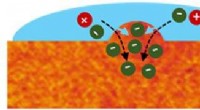
* Osmosis: Water molecules move across the cell membrane from an area of high concentration (outside the cell) to an area of low concentration (inside the cell). This movement is driven by the diffusion of water, which is a passive process that doesn't require energy.
* Movement through Aquaporins: Some water molecules move through specialized channels in the cell membrane called aquaporins. These channels facilitate the passage of water molecules and increase the rate of osmosis.
The net movement of water into the cell causes the cell to swell or even burst if the difference in concentration is significant.
In summary:
* Water moves from a hypotonic (low solute concentration) solution to a hypertonic (high solute concentration) solution.
* This movement is driven by osmosis and facilitated by aquaporins.
* The net movement of water into the cell causes the cell to swell.