Here's how it works:
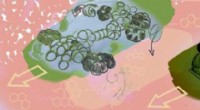
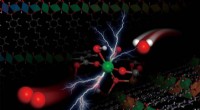
* Excited Electrons: When energy is added to an atom, for example, by heat or electricity, electrons within the atom jump to higher energy levels. These are called *excited electrons*.
* Returning to Ground State: Excited electrons are unstable and quickly fall back down to their original, lower energy level.
* Energy Release: When an electron falls back down, it releases the energy it gained as light. The color of the light depends on the specific amount of energy released.
* Different Colors, Different Energies: Different elements and compounds have different energy level arrangements. This means the amount of energy released when electrons fall back down varies, resulting in different colors of light.
Examples:
* Fireworks: Fireworks contain metal salts, like strontium (red), copper (blue), and barium (green). When heated, the metal atoms become excited, and as their electrons return to their ground state, they emit light of the characteristic color.
* Neon Lights: Neon gas emits red light when electricity is passed through it. This is because the excited electrons in neon atoms release red light as they fall back down to their ground state.
* Fluorescent Lights: Fluorescent bulbs contain mercury vapor. When electricity is passed through the vapor, mercury atoms become excited. They release ultraviolet (UV) light, which then strikes a coating on the inside of the bulb, causing it to emit visible light.
In summary, electrons are the key players in producing colored light. Their transitions between energy levels determine the color of the light emitted.