While these four are the most common, proteins can also contain small amounts of other elements, such as:
* Sulfur (S): Found in amino acids like cysteine and methionine, important for protein structure and function.
* Phosphorus (P): Found in some phosphorylated proteins, which play important roles in signaling and regulation.
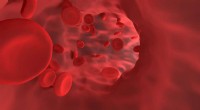
* Iron (Fe): Found in certain proteins like hemoglobin, which carries oxygen in the blood.
* Other trace elements: Some proteins contain very small amounts of other elements, such as zinc (Zn), copper (Cu), or magnesium (Mg).
It's important to note that the primary building blocks of proteins are amino acids. Each amino acid has a central carbon atom bonded to four groups:
* A hydrogen atom (H)
* A carboxyl group (COOH)
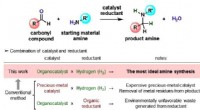
* An amino group (NH2)
* A side chain (R group)
The R group is what makes each amino acid unique, and there are 20 standard amino acids with different R groups. These amino acids are linked together by peptide bonds to form long chains, which then fold into complex three-dimensional structures to create the proteins we know.