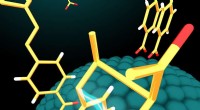
* Structure: Functional groups are specific arrangements of atoms within a molecule. They contribute to the overall shape and geometry of the molecule, which can influence how it interacts with other molecules.
* Chemical Properties: Functional groups are responsible for the reactivity of a molecule. They dictate the types of chemical reactions a molecule can undergo, and how it will behave in different environments.
For example:
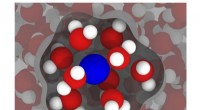
* Alcohols (containing -OH) are known for their ability to form hydrogen bonds, making them more soluble in water than hydrocarbons.
* Carboxylic acids (containing -COOH) are acidic and can donate protons, while amines (containing -NH2) are basic and can accept protons.
In summary: Functional groups are not just structural features; they are the key to understanding and predicting the chemical behavior of organic compounds.