This process is a fundamental part of cellular respiration and photosynthesis. Here's a breakdown:
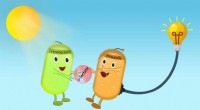
* Electron Transport Chain in Cellular Respiration: In this process, electrons are passed from molecule to molecule, releasing energy along the way. This energy is used to pump protons across a membrane, creating a proton gradient. The energy stored in this gradient is then used to generate ATP, the primary energy currency of the cell.
* Electron Transport Chain in Photosynthesis: Here, light energy is used to excite electrons in chlorophyll. These excited electrons are then passed through a series of proteins, releasing energy that is used to generate ATP and NADPH. These molecules are then used to fix carbon dioxide into sugars, the primary source of energy for the plant.
Key Points:
* Proteins: The electron transport chain involves a series of specialized protein molecules, each with a specific role in accepting and donating electrons.
* Redox Reactions: The electron transfer process involves a series of oxidation-reduction reactions, where electrons are passed from one molecule to another.
* Energy Release: The movement of electrons through the chain releases energy, which is used to drive other processes in the cell.
Examples:
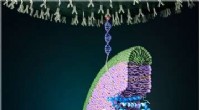
* Mitochondrial Electron Transport Chain: This chain is located in the inner membrane of mitochondria and plays a crucial role in ATP production during cellular respiration.
* Photosystem II and Photosystem I: These protein complexes are involved in the electron transport chain of photosynthesis, using light energy to generate ATP and NADPH.