1. Polarity:
* Hydrogen Bonding: Water molecules are polar, meaning they have a slightly positive end (hydrogen atoms) and a slightly negative end (oxygen atom). This polarity allows them to form strong hydrogen bonds with other polar molecules.
* Ability to Dissolve Polar Solutes: This hydrogen bonding allows water to readily dissolve many polar substances, such as sugars, salts, and acids, by forming strong interactions with their polar groups.
2. High Dielectric Constant:
* Weakening Electrostatic Interactions: Water's high dielectric constant weakens the electrostatic interactions between ions in solution, allowing them to separate and dissolve more readily.
3. Cohesion and Adhesion:
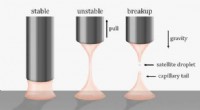
* Surface Tension: Water molecules are highly cohesive, meaning they stick to each other due to hydrogen bonding. This leads to surface tension, allowing it to form droplets.
* Adhesion: Water also adheres to other polar surfaces, which contributes to its ability to dissolve and transport substances.
4. Temperature Stability:
* High Heat Capacity: Water has a high heat capacity, meaning it can absorb a lot of heat energy before its temperature rises significantly. This helps moderate temperature changes in organisms and the environment.
5. Abundance:
* Universal Solvent: Water is the most abundant solvent on Earth, making it readily available for dissolving and transporting various substances.
In summary, water's versatility as a solvent is due to its polarity, high dielectric constant, cohesive and adhesive properties, temperature stability, and abundance. These factors make water essential for life and play crucial roles in biological, chemical, and geological processes.