* Chemical Compound: A chemical compound is formed when two or more different elements chemically combine in a fixed ratio. This means the elements are bonded together, forming a new substance with unique properties.
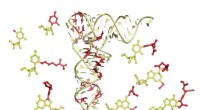
* DNA (Deoxyribonucleic Acid): DNA is a complex macromolecule composed of many smaller units called nucleotides. While nucleotides contain different elements (carbon, hydrogen, oxygen, nitrogen, and phosphorus), DNA itself is not a compound in the strict sense. It's a large, intricate molecule built from repeating units.
Let's break down the examples:
* Water (H₂O): Water is formed by the chemical combination of two hydrogen atoms and one oxygen atom. This fixed ratio (2:1) creates a new substance with entirely different properties than either hydrogen or oxygen alone.
* Sodium Chloride (NaCl): Table salt is formed by the chemical combination of sodium and chlorine. This ionic bond creates a new substance with unique properties, different from either sodium (a highly reactive metal) or chlorine (a toxic gas).
In short:
* Chemical compounds are formed when two or more different elements combine in a fixed ratio.
* DNA is a macromolecule built from smaller units, not a simple compound.
Let me know if you'd like to explore the difference between molecules and compounds in more detail!