Here's a breakdown:
Condensation Reaction:
* Two smaller molecules combine to create a larger molecule.
* A water molecule (H₂O) is removed from the reactants, hence the name "condensation".
* Energy is required for the reaction to occur.
Examples of Condensation Reactions in Biology:
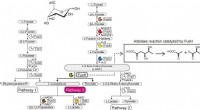
* Monosaccharides (simple sugars) forming disaccharides (double sugars) or polysaccharides (complex carbohydrates). For example, glucose and fructose condense to form sucrose, releasing a water molecule.
* Amino acids forming polypeptides (proteins). A peptide bond is formed between amino acids, with the release of a water molecule.
* Fatty acids and glycerol forming triglycerides (fats). This reaction releases three water molecules.
* Nucleotides forming nucleic acids (DNA and RNA). This involves the formation of phosphodiester bonds and the release of water molecules.
Significance of Condensation Reactions:
* Essential for building complex biological molecules: These reactions are vital for creating the macromolecules that make up living organisms.
* Energy storage: Many biological polymers, formed through condensation reactions, serve as energy storage molecules (like carbohydrates and fats).
* Structural support: Proteins formed through condensation reactions provide structural support for cells and tissues.
* Information storage and transfer: Nucleic acids, formed through condensation reactions, are responsible for storing and transmitting genetic information.
In summary, condensation reactions are fundamental processes in biochemistry that allow for the synthesis of complex biomolecules from simpler precursors, playing a crucial role in the structure and function of living organisms.