Cells, the fundamental units of life, are built from a diverse array of chemical compounds. We can categorize these building blocks into four main groups:
1. Organic Macromolecules:
* Carbohydrates: Composed of carbon, hydrogen, and oxygen, carbohydrates serve as energy sources (glucose) and structural components (cellulose, chitin).
* Lipids (Fats, Oils, and Waxes): Primarily composed of carbon and hydrogen, lipids are hydrophobic and play roles in energy storage, insulation, and forming cell membranes.
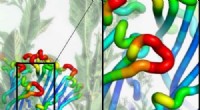
* Proteins: Consisting of amino acids linked by peptide bonds, proteins are the workhorses of the cell. They perform a vast array of functions, including enzymatic catalysis, transport, structural support, and cell signaling.
* Nucleic Acids (DNA and RNA): These molecules are responsible for storing and transmitting genetic information. DNA is the blueprint for life, while RNA plays a crucial role in protein synthesis.
2. Inorganic Compounds:
* Water (H2O): The most abundant molecule in cells, water is essential for metabolic reactions, transport, and maintaining cell structure.
* Salts (NaCl, KCl, CaCl2): These inorganic ions are important for maintaining osmotic balance, nerve impulse transmission, and muscle contraction.
* Minerals: Various minerals like iron, zinc, and magnesium are required for specific enzymatic functions and structural support.
3. Other Essential Molecules:
* ATP (Adenosine Triphosphate): The primary energy currency of the cell, used to fuel metabolic processes.
* NADH and FADH2: Electron carriers involved in cellular respiration and energy production.
* Enzymes: Biological catalysts that speed up chemical reactions in the cell.
* Hormones: Chemical messengers that regulate various cellular processes.
Key Features of these Building Blocks:
* Organic macromolecules are polymers: They are long chains of repeating monomers (smaller building blocks).
* Diverse structures and functions: These molecules exhibit a wide range of structures, leading to diverse functions within the cell.
* Dynamic interactions: Chemical interactions between different molecules are essential for maintaining cell structure, function, and communication.
Understanding the chemical building blocks of cells is crucial for comprehending the complex processes that drive life. These molecules work together in a highly coordinated and dynamic way to create the intricate machinery of life.