* Catalysts: Catalysts speed up chemical reactions without being consumed in the process.
* Enzymes: Biological catalysts, made of proteins (or in some cases RNA), that are highly specific for the reactions they facilitate.
How Enzymes Work:
1. Binding: An enzyme's active site (a specific region) binds to the reactant molecules (substrates).
2. Transformation: The enzyme facilitates the chemical transformation of the substrate(s) into product(s).
3. Release: The enzyme releases the product(s) and is free to bind to another substrate molecule.
Key Point: The enzyme remains unchanged throughout the entire process. It acts as a facilitator, guiding the reaction without undergoing any permanent chemical modification itself.
However, there are some important nuances:
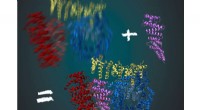
* Conformational Changes: Enzymes often undergo temporary, reversible conformational changes (changes in shape) during the catalytic process. This is part of their mechanism of action and does not represent permanent alteration.
* Enzyme Degradation: Enzymes can be degraded (broken down) over time, but this is a separate process from their catalytic activity. It is influenced by factors like pH, temperature, and the presence of inhibitors.
In summary: Enzymes are biological catalysts that are not permanently altered by the chemical reactions they facilitate. They undergo temporary changes in shape but ultimately remain intact and ready to catalyze further reactions.