1. Electron Structure and Conductivity:
* Conductors: In conductors, electrons are loosely bound to their atoms. They can easily move from atom to atom, allowing for the flow of electric current. Metals are excellent conductors because their outer electrons are free to move around.
* Insulators: In insulators, electrons are tightly bound to their atoms. It takes a significant amount of energy to dislodge them and create a flow of current. This makes insulators resistant to electric current.
2. Energy Gaps:
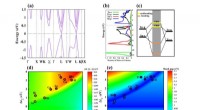
* Valence band: This band contains the electrons that are normally involved in chemical bonding.
* Conduction band: This band contains electrons that are free to move and conduct electricity.
* Energy gap: The energy difference between the valence band and the conduction band.
* Conductors: Have a small or nonexistent energy gap. Electrons can easily jump to the conduction band.
* Insulators: Have a large energy gap. It takes a lot of energy to excite electrons from the valence band to the conduction band, making them poor conductors.
3. Examples of Insulators:
* Rubber: Its tightly bound electrons prevent current flow.
* Glass: Its structure prevents electron mobility.
* Plastic: A wide variety of materials with tightly bound electrons.
* Wood: Its complex structure and presence of tightly bound electrons contribute to insulation.
* Air: Atoms are far apart, making electron movement difficult.
* Ceramic: Its structure and bonding typically result in large energy gaps.
4. Why Insulators Matter:
* Safety: Insulators are vital for protecting us from electrical shock. They are used in electrical wires, appliances, and other equipment.
* Electronics: They are used in circuit boards, transistors, and other components to direct current flow.
* Thermal insulation: Some insulators also prevent heat transfer, keeping things warm or cold.
In summary: Insulators are materials that resist the flow of electric current due to tightly bound electrons and large energy gaps between their valence and conduction bands. This property makes them crucial for safety, electronics, and thermal insulation.