Here's a breakdown:
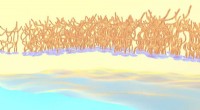
* Hyphae: The long, branching filaments that make up the body of a fungus.
* Hyphal wall: A rigid, protective layer that surrounds each hypha.
* Chitin: A complex carbohydrate that provides structural support and rigidity to the hyphal wall. It's also found in the exoskeletons of insects and crustaceans.
The hyphal wall plays a crucial role in:
* Protection: It shields the hyphae from the environment, including predators and pathogens.
* Support: It provides structural integrity, allowing the hyphae to grow and expand.
* Nutrient absorption: It allows for the selective uptake of nutrients from the surrounding environment.
In addition to chitin, the hyphal wall may also contain other components, including:
* Glucans: Another type of polysaccharide that contributes to the wall's strength.
* Proteins: Proteins help with the synthesis and assembly of the wall.
* Pigments: These provide coloration and may offer additional protection.
Understanding the composition and function of the hyphal wall is important for understanding the biology of fungi and their role in ecosystems.