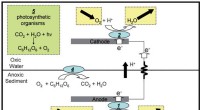
1. Photosynthesis: This is the foundation of life on Earth. Plants and some bacteria use sunlight, water, and carbon dioxide to produce glucose (sugar) and oxygen.
* Equation: 6CO2 + 6H2O + light energy → C6H12O6 + 6O2
2. Cellular Respiration: This process breaks down glucose, releasing energy (ATP) that cells can use to perform their functions.
* Equation (simplified): C6H12O6 + 6O2 → 6CO2 + 6H2O + energy (ATP)
3. Protein Synthesis: This process builds proteins, which are essential for structure, function, and regulation within cells.
* Components: DNA (genetic code), RNA (messenger), ribosomes (protein factories), amino acids (building blocks)
4. Digestion: The breakdown of food into smaller molecules that can be absorbed and used by the body.
* Examples: Hydrolysis of carbohydrates (starch) into sugars, breakdown of proteins into amino acids, and fats into fatty acids and glycerol.
5. Enzyme Catalysis: Enzymes are biological catalysts that speed up chemical reactions in the body without being consumed.
* Examples: Enzymes involved in digestion, energy production, DNA replication, and protein synthesis.
6. Nerve Impulse Transmission: This process uses chemical signals (neurotransmitters) to transmit information between neurons and other cells.
* Examples: Acetylcholine, dopamine, serotonin
7. Muscle Contraction: This involves the interaction of proteins (actin and myosin) and calcium ions, allowing muscles to generate force and movement.
8. Blood Sugar Regulation: The body tightly regulates blood sugar levels through hormones like insulin and glucagon.
9. Immune Responses: Chemical reactions are involved in identifying and attacking pathogens (viruses, bacteria) as well as the development of immune memory.
10. Hormone Production and Action: Hormones are chemical messengers that regulate various bodily processes, including growth, metabolism, and reproduction.
These are just a few examples of the many chemical reactions that occur within living organisms. The complex interplay of these reactions allows for life to persist, adapt, and thrive.