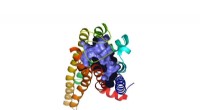
* Anabolism: This refers to the building up of complex molecules from simpler ones, requiring energy input. Examples include protein synthesis from amino acids, and the synthesis of carbohydrates from simpler sugars.
* Catabolism: This refers to the breaking down of complex molecules into simpler ones, releasing energy. Examples include the breakdown of glucose to release energy (cellular respiration) and the digestion of food into smaller molecules.
Metabolism is the overall network of chemical reactions that allows the body to:
* Acquire and utilize energy
* Synthesize essential molecules
* Maintain homeostasis
* Respond to environmental changes
Therefore, "metabolism" is an accurate term for the sum of all chemical reactions because it reflects the interconnectedness and dynamism of these processes, which are essential for life.