1. Lysis Buffer:
* Function: Breaks open cells and releases DNA.
* Components:
* Detergent: Disrupts cell membranes (e.g., SDS, Triton X-100).
* Salt: Helps neutralize charged molecules and stabilizes DNA (e.g., NaCl).
* Tris buffer: Maintains pH for optimal enzyme activity.
* EDTA: Chelating agent that binds to divalent cations like magnesium, preventing DNA degradation by DNases.
2. Proteinase K:
* Function: Digests proteins, including histones that bind to DNA.
* Mechanism: A serine protease that cleaves peptide bonds within proteins.
* Purpose: Removes proteins that can interfere with DNA isolation and purification.
3. Phenol/Chloroform:
* Function: Separates DNA from proteins and other cellular debris.
* Mechanism: Phenol denatures proteins and makes them insoluble, while chloroform acts as a denaturant and helps to separate the aqueous and organic phases.
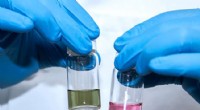
* Procedure: After vigorous shaking, the mixture separates into three layers:
* Top layer: Aqueous phase containing DNA.
* Middle layer: Interphase containing denatured proteins.
* Bottom layer: Organic phase containing phenol/chloroform.
* DNA is recovered from the aqueous layer.
4. Ethanol/Isopropanol:
* Function: Precipitates DNA from solution.
* Mechanism: DNA is soluble in water but insoluble in ethanol or isopropanol. When added, these alcohols reduce the solubility of DNA, causing it to precipitate out of solution.
* Procedure: After adding ethanol or isopropanol, the mixture is centrifuged to collect the DNA pellet.
5. TE Buffer:
* Function: Re-suspends and stores DNA after extraction.
* Components:
* Tris buffer: Maintains pH for optimal DNA stability.
* EDTA: Chelating agent that inhibits DNases.
* Purpose: Ensures DNA remains intact and protected from degradation during storage.
6. RNase A:
* Function: Removes RNA contamination.
* Mechanism: An enzyme that specifically degrades RNA.
* Purpose: Ensures a pure DNA sample for downstream applications like PCR or sequencing.
Note: Some protocols may use other chemicals like guanidine hydrochloride or guanidine thiocyanate for lysis, or silica columns for DNA binding and purification instead of phenol/chloroform.