* Vitamins and Minerals: These are often referred to as "micronutrients" because we only need them in small amounts. They play a crucial role in regulating a huge range of chemical reactions within our cells and throughout the body. Here's a breakdown:
* Vitamins:
* B Vitamins: Essential for energy production (B1, B2, B3, B5, B6, B7, B9, B12), nerve function (B1, B6, B12), and DNA synthesis (B9).
* Vitamin C: An antioxidant, essential for collagen production, and immune function.
* Vitamin A: Essential for vision, cell growth, and immune function.
* Vitamin D: Regulates calcium absorption and bone health.
* Vitamin E: A powerful antioxidant.
* Vitamin K: Essential for blood clotting.
* Minerals:
* Calcium: Essential for strong bones and teeth, nerve function, and muscle contraction.
* Magnesium: Involved in over 300 enzymatic reactions, crucial for muscle function, blood sugar control, and blood pressure regulation.
* Potassium: Helps regulate fluid balance, nerve function, and muscle contraction.
* Sodium: Essential for fluid balance and nerve function.
* Iron: Crucial for carrying oxygen in the blood.
* Zinc: Involved in immune function, wound healing, and cell growth.
* Selenium: An antioxidant that protects cells from damage.
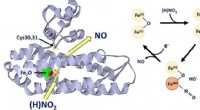
* Enzymes: Enzymes are proteins that act as biological catalysts, speeding up chemical reactions without being consumed in the process. They are essential for virtually every metabolic process in the body, including digestion, energy production, and detoxification.
* Coenzymes: These are small non-protein organic molecules that are required for the function of many enzymes. Many vitamins act as coenzymes.
These nutrients work together in intricate ways to ensure the smooth functioning of our bodies. Their presence in adequate amounts is essential for maintaining health and preventing disease.