Here's a breakdown:
ATP (Adenosine Triphosphate):
* Energy Currency: ATP is often referred to as the "energy currency" of the cell. It stores chemical energy in its high-energy phosphate bonds.
* Energy Source for Synthesis: When ATP is broken down into ADP (adenosine diphosphate) and an inorganic phosphate (Pi), energy is released. This energy is used to power anabolic reactions, such as:
* Building Macromolecules: The synthesis of carbohydrates, lipids, proteins, and nucleic acids requires energy to form new chemical bonds.
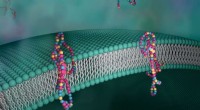
* Active Transport: Moving molecules against their concentration gradient across cell membranes also requires energy from ATP.
* Cellular Processes: Other important cellular processes like muscle contraction, nerve impulse transmission, and DNA replication use ATP for energy.
ADP (Adenosine Diphosphate):
* Product of Energy Release: When ATP is hydrolyzed (broken down), ADP is produced.
* Recycled for Energy Storage: ADP can be re-phosphorylated (re-attach a phosphate group) to form ATP, which is then available for use again. This process is called oxidative phosphorylation, and it occurs primarily in the mitochondria, where energy from the breakdown of glucose is used to regenerate ATP.
The ATP-ADP Cycle:
The continual breakdown of ATP into ADP and the subsequent regeneration of ATP from ADP is known as the ATP-ADP cycle. This cycle is essential for maintaining the energy balance of the cell and providing the energy needed for anabolic and other cellular processes.
In Summary:
ATP provides the energy necessary for synthesizing organic molecules by releasing its energy when it is broken down into ADP and inorganic phosphate. ADP is then recycled back into ATP, completing the cycle and ensuring a continuous supply of energy for cellular activities.