Cells use organic compounds for a variety of essential functions:
* Energy: Organic compounds like carbohydrates (sugars), fats (lipids), and proteins are broken down to provide the energy cells need for all their activities. This process is called cellular respiration.
* Building Blocks: Cells use organic compounds to build their own structures. For example:
* Proteins: Made from amino acids, proteins form enzymes, structural components, and signaling molecules.
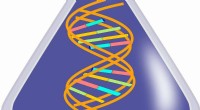
* Nucleic acids (DNA and RNA): Made from nucleotides, these molecules store genetic information and guide protein synthesis.
* Lipids: Form cell membranes, store energy, and act as hormones.
* Carbohydrates: Provide structural support in cell walls, and are involved in cell-cell communication.
* Communication: Organic compounds like hormones and neurotransmitters act as messengers between cells, regulating processes like growth, metabolism, and nervous system function.
* Defense: Some organic compounds, like antibodies, are part of the immune system, helping to protect cells from pathogens.
In summary: Organic compounds are the building blocks and fuel for cells. They are essential for life and allow cells to perform all the functions necessary for survival and growth.