1. Synthesis Reactions (Anabolic Reactions):
* Dehydration Synthesis: Enzymes join monomers together to form polymers, releasing a water molecule in the process.
* Examples:
* DNA Polymerase: Joins nucleotides to form DNA.
* Glycogen Synthase: Joins glucose molecules to form glycogen.
* Peptidyl Transferase: Joins amino acids to form proteins.
* Ligations: Enzymes join two molecules together, often requiring energy from ATP.
* Examples:
* DNA Ligase: Joins DNA fragments.
* RNA Ligase: Joins RNA fragments.
2. Breakdown Reactions (Catabolic Reactions):
* Hydrolysis: Enzymes break down polymers into monomers by adding water.
* Examples:
* Amylase: Breaks down starch into sugars.
* Proteases: Break down proteins into amino acids.
* Lipases: Break down fats into fatty acids and glycerol.
* Oxidation-Reduction Reactions: Enzymes catalyze the transfer of electrons between molecules.
* Examples:
* Cytochrome Oxidase: A key enzyme in cellular respiration, transferring electrons during the final step of ATP production.
* Dehydrogenases: Remove hydrogen atoms from molecules.
3. Other Types:
* Isomerization: Enzymes convert a molecule into a different isomer (same chemical formula, different arrangement).
* Examples:
* Phosphoglucomutase: Converts glucose-6-phosphate to glucose-1-phosphate.
* Group Transfer Reactions: Enzymes move functional groups from one molecule to another.
* Examples:
* Kinases: Transfer phosphate groups, often from ATP.
* Acetyltransferases: Transfer acetyl groups.
* Rearrangements: Enzymes change the internal bonds within a molecule.
* Examples:
* Isomerases: Rearrange atoms within a molecule.
* Ligation Reactions: Enzymes join two molecules, often requiring energy from ATP.
Key Points to Remember:
* Specificity: Enzymes are highly specific, typically catalyzing only one or a small number of reactions. This specificity is due to their unique three-dimensional structure, which provides a binding site for specific substrates.
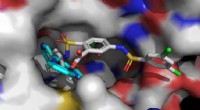
* Active Site: Enzymes have an active site where the substrate binds and the reaction takes place.
* Factors Affecting Enzyme Activity: Temperature, pH, substrate concentration, and the presence of inhibitors can all affect enzyme activity.
Beyond the Basics:
Enzymes are also involved in complex metabolic pathways, where they work together to regulate and coordinate biochemical reactions essential for life. They are crucial for everything from digestion and energy production to DNA replication and cell signaling.