Here's a breakdown of what fibronalysis does:
* Dissolves Blood Clots: Fibrinolysis is crucial for dissolving blood clots that have served their purpose in stopping bleeding. This process helps prevent excessive clotting and ensures proper blood flow.
* Prevents Thrombosis: By breaking down fibrin, fibronalysis helps prevent the formation of dangerous blood clots that can block arteries and veins, leading to conditions like heart attacks, strokes, and pulmonary embolism.
* Maintains Blood Flow: It helps maintain normal blood flow by clearing clots from blood vessels, ensuring efficient delivery of oxygen and nutrients to tissues.
* Wound Healing: Fibrinolysis plays a role in wound healing by clearing away excess fibrin and allowing for proper tissue regeneration.
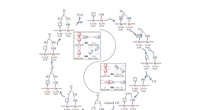
Fibrinolysis is a natural process that involves a complex cascade of enzymes and proteins. However, it can be artificially activated in some cases, such as:
* Treatment of Blood Clots: Certain medications, known as thrombolytics, can be used to dissolve blood clots in patients who have experienced heart attacks, strokes, or pulmonary embolism.
* Preventing Blood Clot Formation: In some cases, medications that promote fibrinolysis can be prescribed to prevent the formation of blood clots in high-risk individuals.
Overall, fibronalysis is an essential biological process that maintains blood flow, prevents excessive clotting, and promotes wound healing. It is a vital component of the body's natural defense against blood clots and plays a crucial role in maintaining good health.