1. Light Absorption: Chlorophyll, the green pigment in plants, absorbs sunlight. This energy is used to excite electrons within the chlorophyll molecule.
2. Electron Transport Chain: These excited electrons are passed along a series of protein complexes embedded within the thylakoid membranes of chloroplasts. This process releases energy, which is used to pump protons (H+) into the thylakoid lumen.
3. Water Splitting: To replace the lost electrons, water molecules are split by an enzyme called photosystem II. This splitting reaction releases oxygen (O2) as a byproduct, along with protons (H+) and electrons (e-).
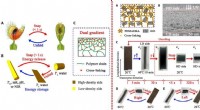
4. Proton Gradient: The accumulation of protons in the thylakoid lumen creates a concentration gradient. This gradient drives the movement of protons back across the membrane through a protein complex called ATP synthase.
5. ATP Production: As protons flow through ATP synthase, the enzyme uses the energy to synthesize ATP (adenosine triphosphate), which is the energy currency of the cell.
In Summary:
* Oxygen is generated during the splitting of water molecules in photosystem II.
* This splitting is driven by the energy absorbed from sunlight and used to replace electrons lost during the electron transport chain.
* The oxygen released as a byproduct is essential for aerobic respiration, the process by which organisms use oxygen to produce energy.
Key points to remember:
* Photosynthesis is a complex process with many steps.
* Oxygen generation is only one part of the process.
* The light-dependent reactions are essential for providing the energy needed for the light-independent reactions, which ultimately produce glucose (sugar) for the plant.