1. Absorbing Light: Chlorophyll molecules are the primary light absorbers in photosynthesis. When they absorb light energy, they become excited, meaning an electron within the molecule jumps to a higher energy level.
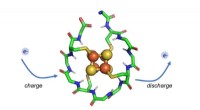
2. Electron Transfer: This excited electron is very unstable and wants to return to its ground state. It does so by transferring its energy to a nearby molecule. This is the key step: the chlorophyll molecule doesn't lose an electron permanently, it just passes it on.
3. The Electron Transport Chain: The electron is passed along a chain of molecules called the electron transport chain. Each molecule in the chain accepts the electron and then passes it on, gradually releasing the energy stored in the electron.
4. Energy Capture: The energy released by the electron is used to pump protons across a membrane. This creates a gradient that is used to generate ATP, the primary energy currency of cells.
5. Photosystem II: The initial electron that was excited by light comes from water. This is where the process of photolysis occurs, where water is split to replace the electron lost by chlorophyll. This process also produces oxygen as a byproduct.
In summary:
- Chlorophyll doesn't "run out" of electrons. It just passes them along in a chain to capture and store energy from light.
- The process of photolysis ensures a constant supply of electrons to replace those that are transferred.
- The process is essential for the production of ATP and oxygen, the vital products of photosynthesis.