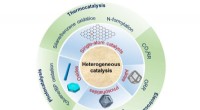
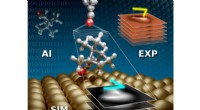
* Mechanism of Hydrogenation: Partial hydrogenation is a process where hydrogen gas is added to unsaturated fatty acids (those with double bonds) in the presence of a metal catalyst (like nickel). This process aims to convert liquid oils into solid fats.
* Double Bond Geometry: The double bonds in most naturally occurring fatty acids are in the cis configuration, meaning the hydrogen atoms on either side of the double bond are on the same side of the molecule.
* Catalyst and Intermediate: The metal catalyst in the hydrogenation process allows the double bond to break and form a temporary intermediate. This intermediate is unstable and can rotate freely.
* Re-formation of Double Bond: As the double bond reforms, it can do so in either the cis or trans configuration. The trans configuration is more stable than the cis configuration under the conditions of the reaction.
* Partial Hydrogenation: Since the reaction is stopped before all double bonds are fully saturated, a mixture of cis, trans, and saturated fatty acids is formed.
In summary, the trans configuration is favored in the process of partial hydrogenation because it is more stable under the reaction conditions. It's not a planned rearrangement, but rather a consequence of the reaction mechanism.
Note: The formation of trans fatty acids during partial hydrogenation is a major concern because trans fats have been linked to various health problems, including heart disease.