1. Carbohydrates:
* Sugars (monosaccharides): Glucose, fructose, galactose, ribose, deoxyribose.
* Disaccharides: Sucrose (table sugar), lactose (milk sugar), maltose.
* Polysaccharides: Starch, glycogen, cellulose.
2. Lipids (fats and oils):
* Fatty acids: Most fatty acids have oxygen in their carboxyl group (COOH).
* Triglycerides: Contain glycerol (a sugar alcohol with oxygen) and three fatty acids.
* Phospholipids: Contain glycerol, fatty acids, phosphate (PO4), and often a nitrogen-containing group, all of which include oxygen.
* Steroids: Contain a complex ring structure with oxygen atoms.
3. Proteins:
* Amino acids: Many amino acids contain oxygen in their side chains. For example, serine, threonine, tyrosine, aspartic acid, glutamic acid.
* Polypeptides and proteins: These are long chains of amino acids linked together, and will contain oxygen if the individual amino acids do.
4. Nucleic Acids:
* Nucleotides: The building blocks of DNA and RNA. These contain a sugar (ribose or deoxyribose), a phosphate group, and a nitrogenous base (adenine, guanine, cytosine, thymine, or uracil). All of these components contain oxygen.
* DNA and RNA: These molecules are composed of long chains of nucleotides, and therefore contain oxygen.
5. Other Biomolecules:
* Water (H2O): The most abundant molecule in living organisms.
* Carbon dioxide (CO2): A key molecule in respiration.
* Oxygen gas (O2): Essential for aerobic respiration.
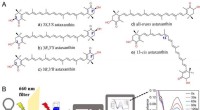
* Many other molecules: Oxygen is found in numerous other biological molecules, such as vitamins, hormones, and pigments.
It's important to note that the presence of oxygen is crucial for many of the functions of biological molecules. Oxygen is involved in energy production (respiration), transport (oxygen carriers like hemoglobin), and structural support (cellulose in plants).