1. Minerals:
* Calcium: For strong bones and teeth, muscle contraction, nerve function, blood clotting.
* Phosphorus: Component of bones, teeth, and DNA, energy production.
* Potassium: Nerve and muscle function, maintaining fluid balance.
* Sodium: Fluid balance, nerve impulse transmission.
* Magnesium: Muscle and nerve function, energy production, bone formation.
* Iron: Component of hemoglobin, which carries oxygen in the blood.
* Zinc: Immune function, wound healing, cell growth.
* Copper: Red blood cell formation, nerve function, bone health.
* Selenium: Antioxidant, protects cells from damage.
* Iodine: Thyroid hormone production, metabolism.
* Fluoride: Stronger teeth, protects against cavities.
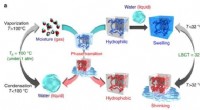
2. Water:
* Makes up around 55-78% of the human body.
* Essential for all bodily functions, including transporting nutrients, regulating temperature, and removing waste products.
3. Other inorganic substances:
* Electrolytes: Charged particles that help maintain fluid balance, muscle function, and nerve impulses.
* Acids and bases: Help maintain the body's pH balance.
* Gases: Oxygen (for respiration), carbon dioxide (waste product of respiration).
4. Trace elements:
* Small amounts of other minerals are also present, such as manganese, chromium, molybdenum, and cobalt.
It's important to remember that these inorganic substances are not just "filler" in our bodies. They are essential for life and play vital roles in maintaining our health and well-being.