Here are some common examples of hydrophobic molecules:
1. Lipids:
* Fats: These are composed of glycerol and fatty acids. Fatty acids have long hydrocarbon chains that are nonpolar.
* Oils: Similar to fats, oils are also nonpolar.
* Waxes: These are esters of long-chain fatty acids and long-chain alcohols.
2. Hydrocarbons:
* Alkanes: These are chains of carbon and hydrogen atoms, such as methane (CH4) and propane (C3H8).
* Alkenes: These are hydrocarbons with double bonds between carbon atoms, such as ethylene (C2H4).
* Alkynes: These are hydrocarbons with triple bonds between carbon atoms, such as acetylene (C2H2).
3. Aromatic compounds:
* Benzene: This is a six-carbon ring with alternating single and double bonds.
* Toluene: This is benzene with a methyl group attached.
4. Other examples:
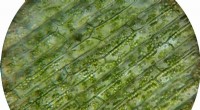
* Chlorophyll: This pigment in plants is hydrophobic.
* Steroids: These are lipids with a specific ring structure, such as cholesterol.
In general, molecules with long chains of nonpolar carbon and hydrogen atoms tend to be hydrophobic.
It's important to note that some molecules can have both hydrophobic and hydrophilic regions. These are called amphipathic molecules. For example, phospholipids have a hydrophilic head and a hydrophobic tail. This structure allows them to form cell membranes.