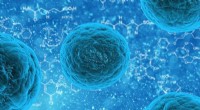
Cells are the basic building blocks of life and contain a diverse array of both organic and inorganic compounds, each playing crucial roles in maintaining cellular function.
Organic Compounds:
* Carbohydrates: Provide energy, form structural components, and participate in cell signaling. Examples: glucose, starch, cellulose.
* Lipids (Fats & Oils): Store energy, form cell membranes, and act as hormones. Examples: phospholipids, triglycerides, cholesterol.
* Proteins: Perform a vast array of functions including catalysis, transport, structure, and defense. Examples: enzymes, antibodies, collagen.
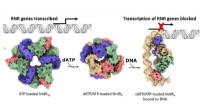
* Nucleic Acids (DNA & RNA): Store and transmit genetic information, regulate protein synthesis. Examples: DNA, mRNA, tRNA.
* Other Organic Compounds: Include vitamins, hormones, pigments, and many others, all contributing to specific cellular functions.
Inorganic Compounds:
* Water: The most abundant compound in cells, acting as a solvent, transport medium, and participant in many metabolic reactions.
* Salts: Essential for maintaining osmotic balance, nerve impulse transmission, and muscle contraction. Examples: sodium chloride (NaCl), potassium chloride (KCl).
* Minerals: Play vital roles in cellular processes and bodily functions. Examples: calcium (Ca), phosphorus (P), iron (Fe).
* Gases: Oxygen (O2) is crucial for respiration, while carbon dioxide (CO2) is a byproduct of respiration.
Key Differences between Organic and Inorganic Compounds:
* Composition: Organic compounds always contain carbon and hydrogen, while inorganic compounds generally lack carbon.
* Structure: Organic compounds often have complex, diverse structures, while inorganic compounds tend to have simpler structures.
* Bonding: Organic compounds primarily contain covalent bonds, while inorganic compounds often have ionic bonds.
* Solubility: Organic compounds are generally less soluble in water than inorganic compounds.
* Reactions: Organic reactions tend to be slower and more complex than inorganic reactions.
Understanding the interplay of these organic and inorganic compounds is essential for comprehending how cells function and maintain life. Each component plays a unique and vital role in supporting cellular processes and ultimately contributing to the overall well-being of an organism.