Here's a breakdown of why it's important and how it works:
What is Homeostasis?
* Dynamic Balance: This means that the body is constantly adjusting to keep things within a narrow, stable range. It's not a static state, but a process of constant regulation.
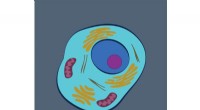
* Body Fluids: This refers to all the fluids in your body, including blood, interstitial fluid (fluid surrounding cells), and intracellular fluid (fluid inside cells).
* Substances: This encompasses a wide range of things, including:
* Electrolytes: Minerals like sodium, potassium, calcium, and chloride that carry electrical charges.
* Nutrients: Glucose, amino acids, vitamins, and minerals that provide energy and building blocks for the body.
* Waste Products: Urea, carbon dioxide, and other byproducts of metabolism that need to be removed.
* Water: The primary solvent for all substances in the body.
Why is Homeostasis Crucial?
* Survival: Every cell in your body requires a stable environment to function properly. Deviations from normal ranges can disrupt cell processes, leading to disease or even death.
* Coordination: Different organs and systems work together to maintain homeostasis. For example, the kidneys regulate water and electrolyte balance, while the lungs control oxygen and carbon dioxide levels.
How is Homeostasis Achieved?
* Feedback Mechanisms: The body uses feedback loops to sense changes and initiate responses to restore balance.
* Negative feedback: The most common type. It works like a thermostat, detecting deviations from the set point and initiating corrective actions to bring things back to normal.
* Positive feedback: Amplifies a change, but is less common and typically involved in processes like childbirth or blood clotting.
* Control Centers: Specific organs or tissues act as control centers, coordinating homeostatic responses. These include the brain (especially the hypothalamus), endocrine glands, and kidneys.
Examples of Homeostatic Processes:
* Temperature Regulation: Sweating and shivering help maintain body temperature.
* Blood Glucose Regulation: Insulin and glucagon hormones control blood sugar levels.
* Blood Pressure Regulation: The heart, blood vessels, and kidneys work together to maintain blood pressure.
* Fluid Balance: The kidneys filter waste products and regulate water and electrolyte levels.
Disruptions to Homeostasis:
* Disease: Many diseases are caused by disruptions in homeostasis. For example, diabetes is characterized by high blood sugar levels due to problems with insulin regulation.
* Environmental Factors: Extreme heat, cold, or lack of water can strain the body's ability to maintain homeostasis.
In summary: Homeostasis is essential for life. It's a complex process that involves multiple organs and systems working together to keep the internal environment of your body stable. Understanding homeostasis is crucial for understanding health and disease.