1. The Role of Water:
* Hydrolysis literally means "breaking with water."
* Water molecules (H₂O) are essential for this process. They act as the "cleaving agent," breaking the peptide bonds that hold amino acids together in the protein chain.
2. The Breaking of Peptide Bonds:
* Peptide bonds are the strong chemical links that connect amino acids in a protein chain.
* During hydrolysis, a water molecule reacts with the peptide bond, causing it to break.
* This separation releases individual amino acids.
3. The Process of Digestion:
* In the body, protein hydrolysis primarily happens during digestion.
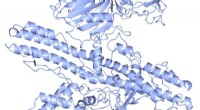
* Enzymes called proteases facilitate this breakdown.
* Stomach acid (HCl) also plays a role by denaturing proteins, making them more susceptible to enzymatic breakdown.
4. The Resulting Amino Acids:
* After hydrolysis, individual amino acids are released.
* These amino acids are then absorbed by the body and used for various biological functions.
5. Beyond Digestion:
* Hydrolysis of proteins is not limited to digestion. It's also crucial in:
* Cellular processes like protein turnover and recycling.
* Industrial applications like the production of amino acid supplements and the breakdown of protein waste in wastewater treatment.
In summary, hydrolysis of proteins to amino acids is a fundamental chemical process that involves the breaking of peptide bonds with the help of water and enzymes. This process is essential for digestion, cellular processes, and various industrial applications.