Here's a breakdown:
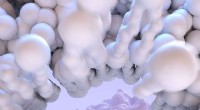
* DNA: The genetic material, which contains the instructions for building and maintaining an organism.
* Proteins: Primarily histones, which act like spools around which the DNA wraps. This wrapping helps to compact the DNA and organize it into a manageable structure.
Condensation Process:
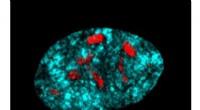
* During cell division (specifically, in the prophase stage of mitosis and meiosis), chromatin fibers condense further, making the chromosomes more visible under a microscope.
* This condensation is achieved by histone modifications and the action of other proteins that help fold and package the DNA into a more compact form.
Why Does Chromatin Condense?
* Efficient segregation: During cell division, chromosomes need to be separated accurately and evenly between the two daughter cells. Condensation makes them easier to separate without tangling or breaking.
* Protection: The condensed form protects the DNA from damage during the division process.
Note: Chromatin is not always condensed. In the non-dividing phase of the cell cycle (interphase), it exists in a more relaxed state called euchromatin, allowing for gene expression and DNA replication.