Here's the breakdown of Becquerel's experiments:
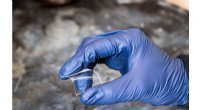
* Initial Experiment: Becquerel was studying the phenomenon of fluorescence in uranium salts. He knew that these salts would glow when exposed to sunlight. He wrapped a photographic plate in black paper to prevent it from being exposed to light and placed a uranium salt on top of it. He expected the uranium salt to absorb sunlight and emit fluorescence, which would then expose the photographic plate.
* Unexpected Observation: Becquerel left the setup in a drawer for a few days, cloudy weather preventing sunlight exposure. When he developed the plate, he found it was strongly exposed even though the uranium salt hadn't been exposed to sunlight. This led him to conclude that uranium was emitting a type of radiation that didn't require an external energy source like sunlight.
* Subsequent Experiment: Becquerel then proceeded to confirm this finding by exposing the uranium salts to sunlight and observing the intensity of the radiation emitted. He found that the sunlight did indeed enhance the radiation, but it was not the source of the radiation.
In summary: Becquerel's initial experiment was designed to investigate fluorescence, not the emission of radiation. He only exposed uranium crystals to sunlight in a follow-up experiment to study the influence of sunlight on the radiation, not as the initial trigger.