1. Atmospheric Transport:
* Wind: Wind is a major player in moving chemicals around. It carries particles and gases across vast distances, spreading pollutants, dust, volcanic ash, and even pollen.
* Precipitation: Rain, snow, sleet, and hail can carry dissolved chemicals from the atmosphere down to the surface. This includes pollutants like acid rain and dissolved gases like ozone.
2. Hydrological Transport:
* Water Bodies: Rivers, lakes, and oceans transport chemicals through currents and flow. This includes dissolved pollutants, nutrients, and even microscopic organisms.
* Groundwater: Underground water flow can carry chemicals through soil and rock formations, impacting water quality and even reaching surface water bodies.
3. Biological Transport:
* Plants: Plants absorb chemicals from the soil and air, incorporating them into their tissues. When plants die or are consumed by animals, these chemicals can be transferred to other parts of the ecosystem.
* Animals: Animals can move chemicals through their bodies as they eat, migrate, and excrete waste. This can spread pollutants, nutrients, and even pathogens.
4. Human Activities:
* Transportation: Vehicles emit pollutants into the atmosphere, and shipping transports chemicals across the globe.
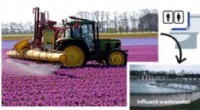
* Agriculture: Fertilizer and pesticide application can introduce chemicals into the environment, impacting soil, water, and air quality.
* Industry: Industrial processes release various chemicals into the air, water, and soil.
Important Considerations:
* Chemical Properties: The way a chemical moves depends on its properties. Volatile organic compounds (VOCs) can evaporate and travel long distances in the air, while heavy metals might stay bound to soil or sediment.
* Environmental Conditions: Factors like temperature, humidity, and wind patterns influence how chemicals are transported and where they end up.
Example:
Imagine a factory releasing sulfur dioxide into the atmosphere.
* Atmospheric Transport: The wind will carry the sulfur dioxide away from the factory, potentially spreading it over a wide area.
* Precipitation: If it rains, the sulfur dioxide will dissolve in the rain, creating acid rain.
* Hydrological Transport: The acid rain will fall on the ground, potentially contaminating lakes and rivers.
* Biological Transport: Plants and animals in the affected area may absorb the sulfur dioxide or its byproducts.
Understanding how chemicals are transported is crucial for addressing environmental issues like pollution, climate change, and ecosystem health.