1. The "Spin" of Electrons:
* Atoms have electrons that orbit the nucleus. These electrons also spin, and this spin creates a tiny magnetic field.
* Normally, the spins of electrons in an atom cancel each other out, resulting in no overall magnetic field.
2. Unpaired Electrons:
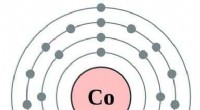
* In some materials, like iron, nickel, and cobalt, the electron spins are not perfectly paired. This leaves a net magnetic field within each atom.
3. Domains:
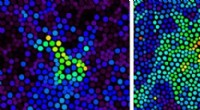
* These atoms with unpaired electrons group together in small regions called "domains." Within a domain, all the tiny magnetic fields of individual atoms align in the same direction, creating a stronger magnetic field.
4. Magnetization:
* When a material is magnetized, these domains align themselves in the same direction. This creates a large, overall magnetic field.
5. Permanent vs. Temporary Magnets:
* Permanent magnets are materials where the domains are aligned even when no external magnetic field is present. This is because the domains are "locked" into place by the material's structure.
* Temporary magnets are materials where the domains can be aligned by an external magnetic field, but they lose their magnetization when the field is removed.
In Summary:
The key to magnetism lies in the unpaired electrons within atoms and their alignment within domains. When these domains align, the material becomes magnetic.