Liquid:
* Water: The most common example, found in oceans, rivers, lakes, and rain.
* Mercury: The only metal that is liquid at room temperature.
* Blood: A complex mixture of cells, proteins, and other substances.
* Honey: A viscous liquid made by bees.
* Gasoline: A flammable liquid used as fuel.
Solid:
* Ice: Frozen water.
* Rock: A naturally occurring solid composed of minerals.
* Wood: A solid material from trees.
* Diamond: The hardest natural substance known.
* Iron: A strong, metallic element.
Gas:
* Air: A mixture of nitrogen, oxygen, and other gases.
* Helium: A light, inert gas used in balloons.
* Carbon dioxide: A gas produced by breathing and combustion.
* Methane: A flammable gas found in natural gas.
* Chlorine: A poisonous gas used in disinfectants.
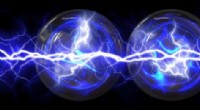
Plasma:
* Lightning: An extremely hot, ionized gas.
* Auroras: Glowing, colorful displays in the atmosphere caused by charged particles from the sun.
* The sun: Mostly composed of plasma.
* Neon lights: Gases that emit light when electricity passes through them.
* Fluorescent lights: Similar to neon lights, but use different gases.
Important Notes:
* State of matter can change: Water can be a solid (ice), liquid (water), or gas (steam).
* Plasma is sometimes called the fourth state of matter: It is a gas that has been heated to such high temperatures that its atoms have lost their electrons, becoming ionized.
* Many substances can exist in different states: For example, water can be a solid, liquid, or gas depending on the temperature and pressure.