* Water is the liquid state of H₂O. It has a fixed volume and shape.
* Vapor is the gaseous state of H₂O. It has no fixed volume or shape, and it expands to fill its container.
The difference lies in the energy level of the molecules:
* Liquid water has molecules that are close together and have moderate energy.
* Vapor has molecules that are far apart and have high energy.
Here's an analogy: Imagine a group of people huddled close together (liquid). If you give them a lot of energy (heat), they'll spread out and move around freely (vapor).
Here are some key differences:
| Feature | Water | Vapor |
|---|---|---|
| State | Liquid | Gas |
| Density | High | Low |
| Shape | Fixed | No fixed shape |
| Volume | Fixed | Variable |
| Molecular movement | Moderate | High |
| Visibility | Visible | Invisible (unless condensed) |
However, water and vapor are interchangeable:
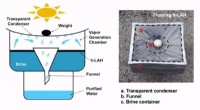
* Water can evaporate into vapor when heated.
* Vapor can condense into water when cooled.
So, even though they exist in different states, they are essentially the same substance with different energy levels.