Conduction:
* Energy Transfer: Energy is transferred through direct contact between molecules.
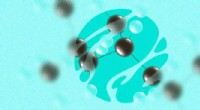
* Molecule Movement: The molecules themselves do not move from one location to another. Instead, they vibrate and collide with their neighbors, transferring energy through this kinetic interaction. Think of a chain reaction of bumping into each other.
* Occurs in: Solids, liquids, and gases, but most efficiently in solids due to their close packing.
Convection:
* Energy Transfer: Energy is transferred through the movement of fluids (liquids or gases).
* Molecule Movement: The molecules themselves move from one location to another, carrying heat energy with them. Think of a fluid moving in a current, carrying hot molecules to a colder area.
* Occurs in: Liquids and gases, where molecules have more freedom to move.
In simpler terms:
* Conduction: Like a domino effect – molecules pass energy down the line by bumping into each other.
* Convection: Like a hot air balloon – hot molecules rise, carrying heat with them.
Here's an example:
Imagine a metal spoon in a pot of boiling water. The spoon gets hot through conduction. The water molecules bump into the spoon molecules, transferring energy and making the spoon hot.
Now imagine the boiling water itself. The hot water rises, carrying heat energy with it. This is convection. The rising hot water molecules displace colder water molecules, creating a current.
Key Takeaway: Conduction relies on direct molecular collisions, while convection relies on the movement of entire fluid molecules.