1. Scanning Tunneling Microscope (STM):
* How it works: This microscope uses a sharp metal tip to scan the surface of a material. The tip is brought extremely close to the surface, and a tiny electric current flows between the tip and the material. By measuring the changes in this current, the STM can create an image of the surface, even at the atomic level.
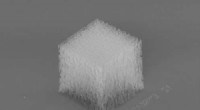
* What it shows: STM images show the arrangement of atoms on a surface, often revealing their individual positions.
* Limitations: STM can only image conductive or semi-conductive materials in a vacuum.
2. Atomic Force Microscope (AFM):
* How it works: AFM uses a tiny, sharp tip attached to a cantilever (a tiny beam) to scan a surface. The tip interacts with the surface, and the cantilever bends or deflects in response. Sensors detect these deflections, creating a detailed image of the surface.
* What it shows: AFM images reveal the topography of a surface, including the shape and arrangement of individual atoms.
* Limitations: AFM can be used to image both conductive and non-conductive materials in air or liquid.
3. Transmission Electron Microscope (TEM):
* How it works: TEM uses a beam of electrons to illuminate a very thin sample. The electrons pass through the sample and are focused by magnetic lenses to create an image.
* What it shows: TEM images show the internal structure of materials, including individual atoms, and can also be used to analyze the chemical composition of materials.
* Limitations: TEM requires very thin samples and works best in a vacuum.
4. Scanning Electron Microscope (SEM):
* How it works: SEM uses a focused beam of electrons to scan the surface of a sample. The electrons interact with the surface atoms, producing a variety of signals that are detected and used to create an image.
* What it shows: SEM images show the surface morphology and structure of materials.
* Limitations: SEM is limited to imaging the surface of materials and requires conductive samples.
Important Note:
* Visualizing atoms: These instruments don't actually let you "see" atoms in the way you see objects with your eyes. They produce images based on the interactions of the tip or electron beam with the atoms, creating a visual representation of their arrangement and structure.
Let me know if you'd like to learn more about any of these instruments!