Electrical Conductors:
* Metals: These are the best electrical conductors. Examples include:
* Copper
* Aluminum
* Silver
* Gold
* Iron
* Nickel
* Electrolytes: Solutions containing ions that can move freely and carry charge. Examples include:
* Salt water
* Acids
* Bases
* Plasma: An ionized gas where electrons are free to move. Found in lightning, fluorescent lights, and stars.
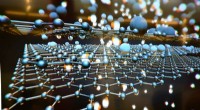
* Some Non-metals: Some non-metals, like graphite (a form of carbon), can conduct electricity under certain conditions.
Thermal Conductors:
* Metals: Again, metals are excellent thermal conductors, transferring heat quickly.
* Diamond: While a non-metal, diamond is one of the best thermal conductors.
* Water: Liquid water is a good thermal conductor, especially compared to air.
* Some Ceramics: Certain ceramics, like aluminum oxide, can be good thermal conductors.
Sound Conductors:
* Solids: Generally, solids are better sound conductors than liquids or gases. This is because molecules in solids are closer together, allowing vibrations to travel faster.
* Liquids: Liquids are better sound conductors than gases.
* Gases: Gases are the poorest sound conductors.
Important Notes:
* Conductivity Varies: The conductivity of a material can vary based on factors like temperature, purity, and the presence of impurities.
* Insulators: Materials that resist the flow of electricity, heat, or sound are called insulators. Some examples include rubber, plastic, glass, and wood.
Let me know if you want to explore any of these categories in more detail!