Common Materials:
* Air: Air itself is a very poor conductor of heat. This is why insulation often relies on trapping air in small pockets.
* Foam: Materials like Styrofoam, polyurethane foam, and expanded polystyrene are good insulators because they have many small air pockets.
* Wood: Wood is a fairly good insulator, especially if it's dry. This is why wooden houses tend to stay warm in the winter and cool in the summer.
* Fiberglass: Fiberglass insulation is widely used because it traps air effectively.
* Wool: Wool is a good insulator because it contains air pockets within its fibers.
* Plastic: Many plastics, like polyethylene and polypropylene, are good thermal insulators. This is why they are often used in containers and packaging.
Other Examples:
* Ceramic: Ceramics like brick and tile are good thermal insulators, which is why they are used for building materials.
* Glass: Glass is a poor conductor of heat. This is why double-paned windows are more energy-efficient than single-paned windows.
* Rubber: Rubber is an excellent thermal insulator, which is why it is often used in gloves and other protective gear.
Key Characteristics of Poor Heat Conductors:
* Low thermal conductivity: This means the material doesn't easily transfer heat through it.
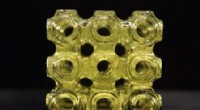
* Porous structure: Materials with many small air pockets, like foam and wool, are good insulators.
* High density: Dense materials tend to have more tightly packed molecules, making it harder for heat to transfer.
Note: The effectiveness of a material as a thermal insulator can also depend on factors like temperature, pressure, and the presence of moisture.