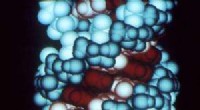
* Kinetic Energy: Molecules are always in motion, vibrating and moving around. This motion is called kinetic energy.
* Temperature: Temperature is a measure of the average kinetic energy of the molecules in a substance.
* Heating: When you heat a liquid, you transfer energy to its molecules. This energy causes the molecules to vibrate and move faster, thus increasing their average kinetic energy.
Here are some important points to remember:
* Heat Transfer: The transfer of heat can occur through conduction, convection, or radiation.
* Expansion: Liquids, like most substances, expand when heated. This is because the increased kinetic energy of the molecules causes them to spread out further apart.
* Phase Changes: If the temperature continues to increase, the liquid may eventually reach its boiling point and change state to a gas (vapor).
Examples:
* Heating water on a stove: The heat from the stove increases the temperature of the water, causing the water molecules to move faster.
* Sunlight warming a swimming pool: The sunlight transfers energy to the water molecules, increasing their temperature and making the pool feel warmer.
Let me know if you have any further questions!