Conductors
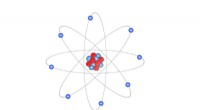
* Free Electrons: Conductors have a large number of free electrons, which are not tightly bound to their atoms. These electrons can easily move throughout the material.
* Movement of Charge: When a voltage (electrical potential difference) is applied across a conductor, the free electrons are pushed by the electric field. This movement of electrons constitutes an electric current.
* Examples: Metals like copper, silver, gold, aluminum are excellent conductors due to their loosely bound outer electrons.
Insulators
* Tightly Bound Electrons: Insulators have electrons tightly bound to their atoms. It takes a lot of energy to free them.
* No Free Charge: Because the electrons are tightly bound, they cannot move freely within the material. As a result, insulators do not allow electric current to flow easily.
* Examples: Rubber, glass, plastic, wood are good insulators.
In Summary:
* Conductors: Allow electric current to flow easily due to the presence of free electrons.
* Insulators: Resist the flow of electric current due to tightly bound electrons.
Why is this important?
Understanding the difference between conductors and insulators is crucial in electrical engineering and everyday life. Here are some examples:
* Electrical Wiring: Copper wires are used in electrical wiring because they are excellent conductors and can carry electricity safely.
* Insulation: Rubber or plastic insulation is used to cover electrical wires to prevent accidental shocks.
* Circuit Boards: Insulators are used to separate and isolate conductive pathways on circuit boards.
Let me know if you'd like more detail on any specific aspect of conductors or insulators!