Here's why:
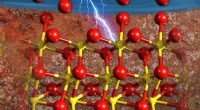
* Chemical changes involve the breaking and forming of new chemical bonds. This means the atoms within the original substances are rearranged, resulting in entirely different molecules with different properties.
* Physical changes only alter the appearance or state of matter. They do not change the chemical composition of the substance. For example, melting ice is a physical change because the water molecules remain the same, just in a different state.
Examples of chemical changes:
* Burning wood (wood + oxygen → ash + carbon dioxide + water)
* Rusting iron (iron + oxygen → iron oxide)
* Baking a cake (flour + sugar + eggs + other ingredients → cake)
Let me know if you'd like more examples or want to explore specific chemical changes!