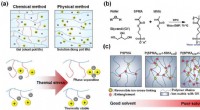
1. The temperature remains constant during the phase change, but it doesn't mean the energy doesn't change.
* During a phase change, the heat energy absorbed by the substance is used to break the bonds between molecules, rather than increasing the kinetic energy of the molecules (which would manifest as a temperature increase).
* This energy is called the latent heat of fusion, and it represents the energy required to change the state of matter from solid to liquid at a constant temperature.
2. The temperature does change before and after the phase change.
* Before the solid starts melting, the temperature will increase as the substance absorbs heat.
* After the solid has completely melted, the temperature of the liquid will continue to rise as it absorbs more heat.
Here's an analogy:
Imagine a pot of water on the stove. As you heat the water, its temperature increases until it reaches 100°C (212°F). At this point, the water starts to boil. Even though you keep adding heat, the temperature of the water remains constant at 100°C until all the water has turned into steam. The energy you're adding is being used to break the bonds between water molecules, allowing them to escape into the air as steam. Once all the water is gone, the temperature of the steam will start to rise again if you continue heating it.
In conclusion:
The temperature remains constant during a phase change because the added energy is used to change the state of matter, not to increase the kinetic energy of the molecules. This energy is called the latent heat of fusion. The temperature does change before and after the phase change.