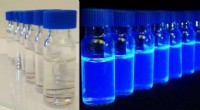
* Solution Definition: A solution is a homogeneous mixture where one substance (the solute) dissolves completely into another substance (the solvent).
* States of Matter: The solute and solvent can be in any state of matter: solid, liquid, or gas.
Examples of Solutions with Different States of Matter:
* Solid dissolved in a liquid: Salt (solid) dissolved in water (liquid)
* Gas dissolved in a liquid: Carbon dioxide (gas) dissolved in soda (liquid)
* Solid dissolved in a gas: Air is a good example. It contains solid particles like dust and pollen dissolved in the gas (nitrogen and oxygen).
* Liquid dissolved in a gas: Water vapor (liquid) dissolved in air (gas)
Important Note: The term "solution" is often used more loosely to describe a mixture where one component is dispersed throughout another, even if it doesn't dissolve completely. For example, we might call milk a "solution" even though the fat particles are suspended rather than truly dissolved.
Let me know if you have any other questions!