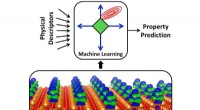
1. Atomic Structure: Solids have a tightly packed, ordered arrangement of atoms or molecules. These particles are held together by strong interatomic forces (like covalent, ionic, or metallic bonds).
2. Vibrational Energy: Even at room temperature, atoms in a solid are constantly vibrating. The higher the temperature, the more intense the vibrations.
3. Heat Transfer: When one end of a solid is heated, the atoms at that end start vibrating more vigorously. This increased vibration causes them to bump into their neighboring atoms, transferring some of their energy. This chain reaction of collisions propagates throughout the solid, transferring heat from the hot end to the cold end.
4. Thermal Conductivity: The ease with which a material conducts heat is known as its thermal conductivity. This depends on several factors:
* Nature of the material: Metals have free electrons that can easily carry heat, making them good conductors. Non-metals (like wood or plastic) have weaker bonds and less free electrons, making them poor conductors.
* Atomic Structure: Materials with tightly packed, ordered structures tend to conduct heat better than amorphous materials.
* Temperature: Thermal conductivity usually increases with temperature.
Examples:
* Metal spoon in hot soup: The spoon quickly becomes hot because the metal readily conducts heat from the soup to your hand.
* Wooden handle on a frying pan: Wood is a poor conductor of heat, protecting your hand from the hot pan.
* Ice cube in a drink: Ice conducts heat slowly, keeping your drink cold for a longer time.
In summary: Heat conduction in solids occurs through the transfer of vibrational energy between atoms and molecules. The efficiency of this process is determined by the material's atomic structure, bonding type, and temperature.